Comprehensive Guide to Sourcing Raw Coffee Beans for Your Business
Understanding the Coffee Supply Chain
Sourcing raw coffee beans is a critical step for any coffee business. Understanding the coffee supply chain helps in making informed decisions. The journey from farm to cup involves several stages, including cultivation, harvesting, processing, and exportation. Each step affects the flavor, quality, and pricing of the coffee beans.
When sourcing beans, it's essential to consider the origin as it significantly influences the taste profile. Regions like Ethiopia, Colombia, and Brazil are renowned for their unique flavors and high-quality beans. Understanding these regional differences can help tailor your offerings to customer preferences.
Identifying Reliable Suppliers
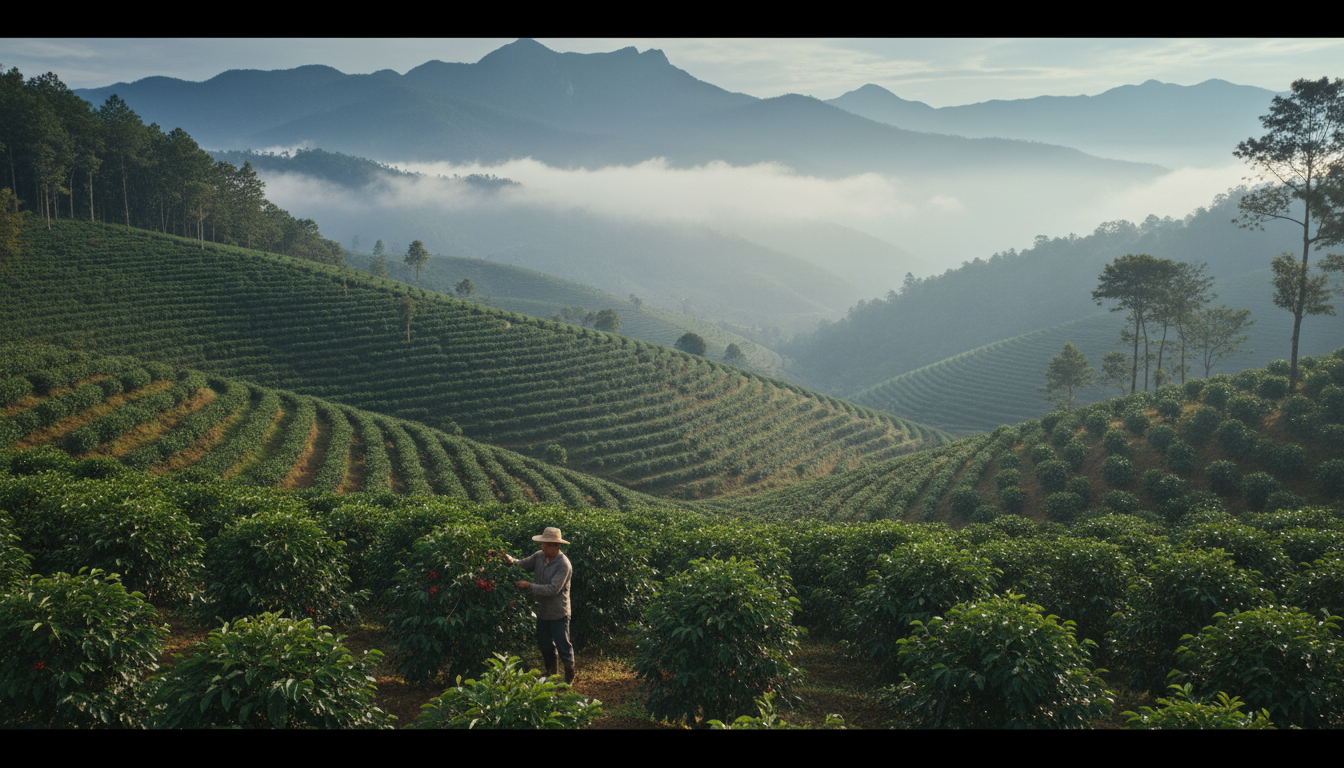
To ensure a steady supply of quality beans, building relationships with reliable suppliers is crucial. Start by researching potential suppliers and evaluating their reputation within the industry. Look for reviews and testimonials from other coffee businesses to gauge their reliability and quality standards.
Consider visiting coffee farms or attending trade shows to meet suppliers face-to-face. This direct interaction can provide insights into their operations and commitment to quality. Engaging with suppliers who prioritize sustainable and ethical practices can enhance your brand's image and appeal to conscientious consumers.
Evaluating Bean Quality
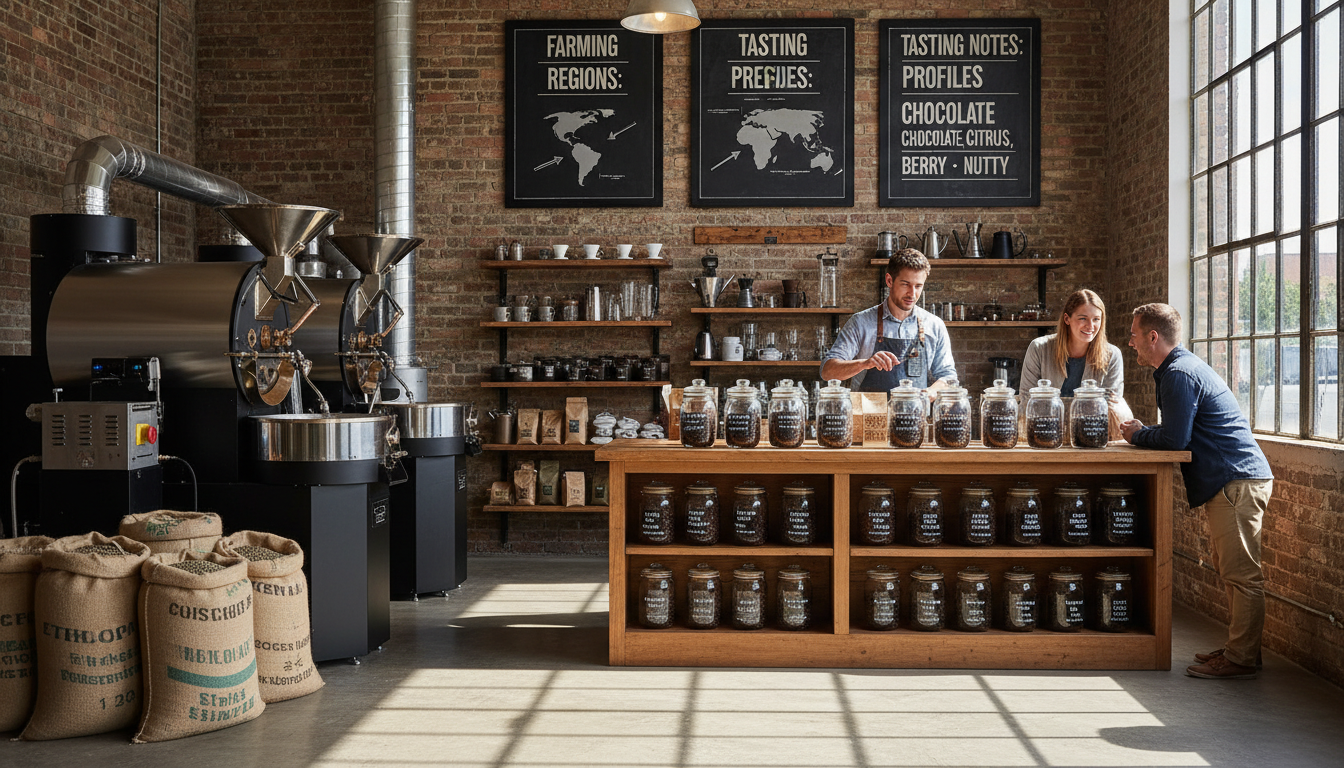
Quality is paramount when sourcing raw coffee beans. Conduct cupping sessions to assess the aroma, flavor, and acidity of different samples. This process involves brewing small batches and tasting them to identify the best flavor profiles for your business. Keep in mind that high-quality beans often command a higher price, but the investment can lead to better customer satisfaction and loyalty.
Additionally, consider factors such as bean size, shape, and color. These physical attributes can indicate the health and quality of the crop. Working with suppliers who provide detailed information about their beans can make the evaluation process more straightforward.

Negotiating Pricing and Contracts
Once you've identified potential suppliers and evaluated their offerings, the next step is negotiating pricing and contracts. Understanding the market rates for different coffee bean varieties will give you an edge in negotiations. Aim for fair pricing that reflects the quality of the beans and the sustainability of your business.
Contracts should clearly define terms related to pricing, delivery schedules, and quality expectations. Including clauses for contingencies such as crop failures or shipment delays can protect your business from unforeseen issues. Building a strong relationship with your supplier can also lead to better terms and long-term collaboration.

Ensuring Ethical and Sustainable Sourcing
Ethical sourcing is becoming increasingly important to consumers. Ensure that your suppliers adhere to fair trade practices and environmental sustainability. Certifications like Fair Trade and Rainforest Alliance can serve as indicators of a supplier's commitment to ethical practices.
Promoting your ethical sourcing practices can differentiate your brand in a competitive market. Consumers are more likely to support businesses that align with their values, making this an essential consideration in your sourcing strategy.

Building Long-Term Supplier Relationships
Establishing long-term relationships with suppliers can lead to consistent quality and better pricing. Regular communication and feedback can help build trust and understanding. Consider collaborating with suppliers to develop exclusive blends or limited-edition offerings that can set your business apart.
These relationships can also provide insights into market trends and innovations, helping your business stay ahead of the curve. A strong partnership with suppliers is a valuable asset in the ever-evolving coffee industry.