From Farm to Cup: The Journey of Green Coffee Beans
The Origins of Green Coffee Beans
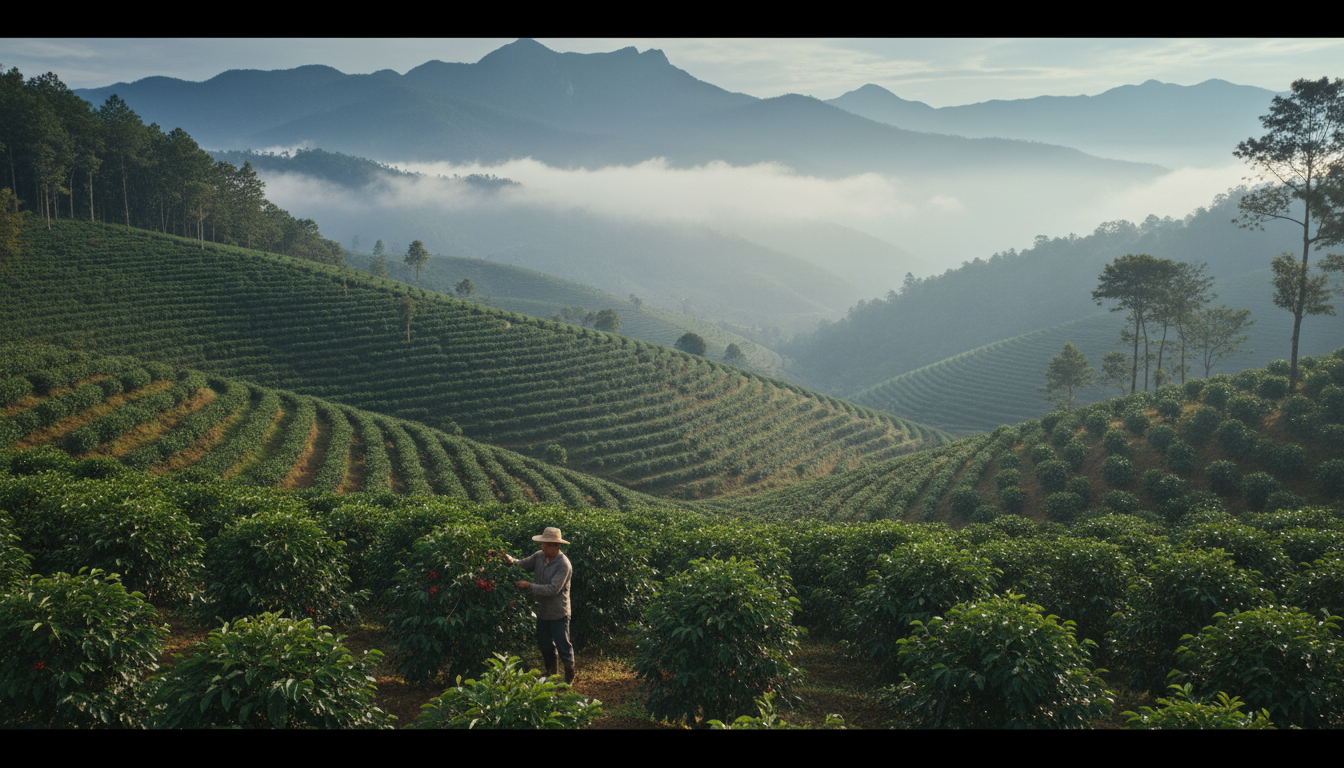
The journey of green coffee beans begins in lush, tropical regions where coffee plants thrive. Countries like Brazil, Colombia, and Ethiopia are renowned for their coffee production, each offering unique flavors and characteristics. These coffee plants produce cherries, which are harvested when they reach a vibrant red hue, indicating ripeness.
Once harvested, the cherries undergo processing to extract the beans within. The two primary methods are the wet process, which involves fermentation, and the dry process, where cherries dry under the sun. Both methods aim to remove the pulp and reveal the precious green beans inside.
Processing and Sorting
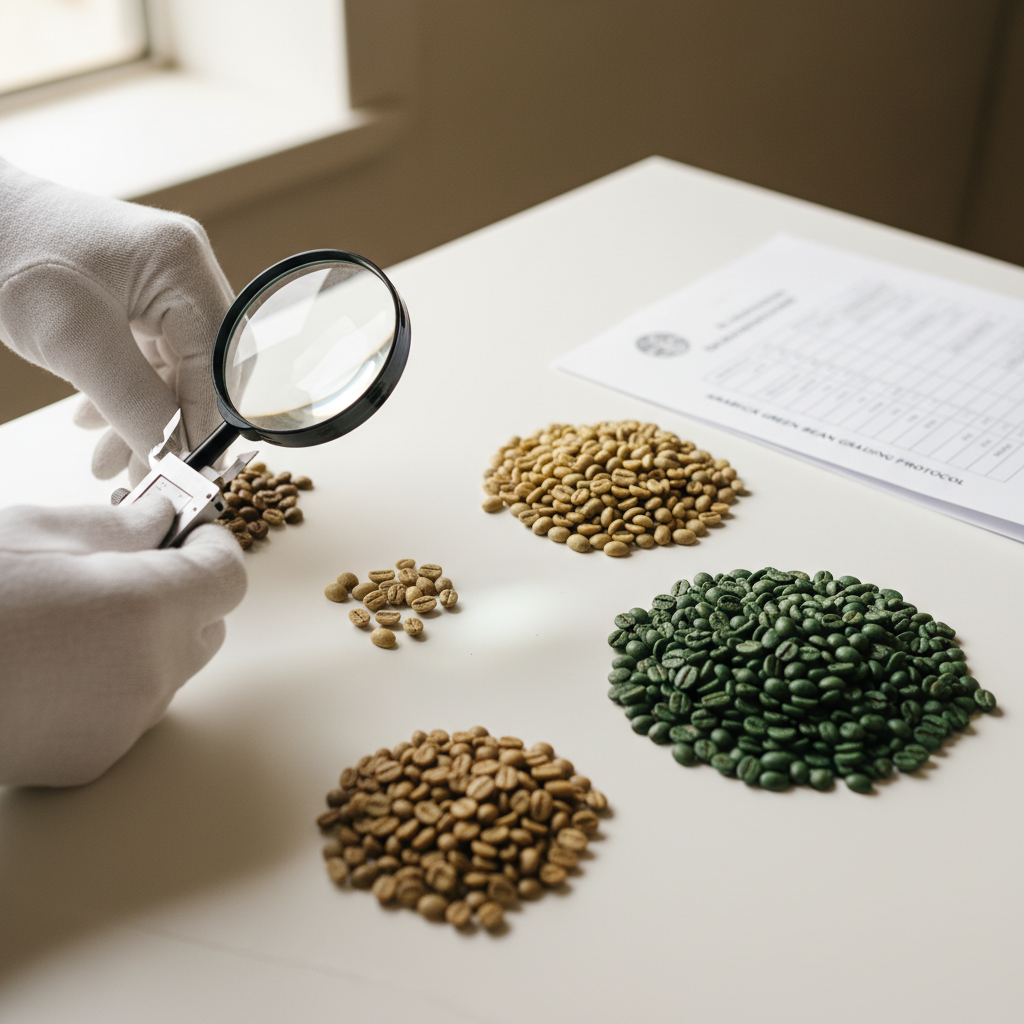
After extraction, the green coffee beans are sorted and graded. This step is crucial as it determines the quality and flavor profile. Beans are sorted by size and weight using specialized machinery, ensuring consistency in the final product.
Grading involves assessing the beans for defects, such as discoloration or insect damage. High-quality beans are essential for producing premium coffee, which is why meticulous attention to detail during sorting is vital.
Shipping and Storage
Once sorted and graded, the green coffee beans are packed into jute bags and shipped worldwide. These beans are often stored in climate-controlled environments to preserve their quality during transit. Proper storage is crucial, as exposure to moisture or extreme temperatures can negatively impact the beans' flavor.
Upon arrival, importers and roasters inspect the beans to ensure they meet quality standards. This step is vital for maintaining the integrity of the final cup of coffee enjoyed by consumers.
Roasting: Transforming Green Beans
Roasting is a pivotal stage where green coffee beans are transformed into the aromatic, flavorful beans we recognize. The roasting process involves heating the beans to high temperatures, causing chemical reactions that bring out unique flavors and aromas. Roasters use various techniques and profiles to achieve the desired roast level, from light to dark.

The art of roasting requires skill and precision, as even slight variations in time and temperature can significantly impact the coffee's taste. Master roasters carefully craft each batch to highlight the beans' natural characteristics.
From Roaster to Cup
Once roasted, the coffee beans are packaged and distributed to cafes, grocery stores, and consumers. Grinding the beans right before brewing ensures maximum freshness and flavor. Different brewing methods, such as espresso, pour-over, or French press, can enhance or alter the coffee's taste profile.

Enjoying a cup of coffee is a sensory experience, with its rich aromas and complex flavors. Each sip is a testament to the intricate journey from farm to cup, highlighting the dedication and expertise of everyone involved in the process.