The Role of Legumes and Nuts in Sustainable Agriculture
Introduction to Legumes and Nuts in Sustainable Agriculture
As the world faces growing environmental challenges, the role of sustainable agriculture becomes increasingly important. Among the various strategies to promote sustainability, the integration of legumes and nuts into agricultural systems stands out as a promising approach. These crops offer a range of benefits that contribute to environmental, economic, and social sustainability.
Environmental Benefits of Legumes
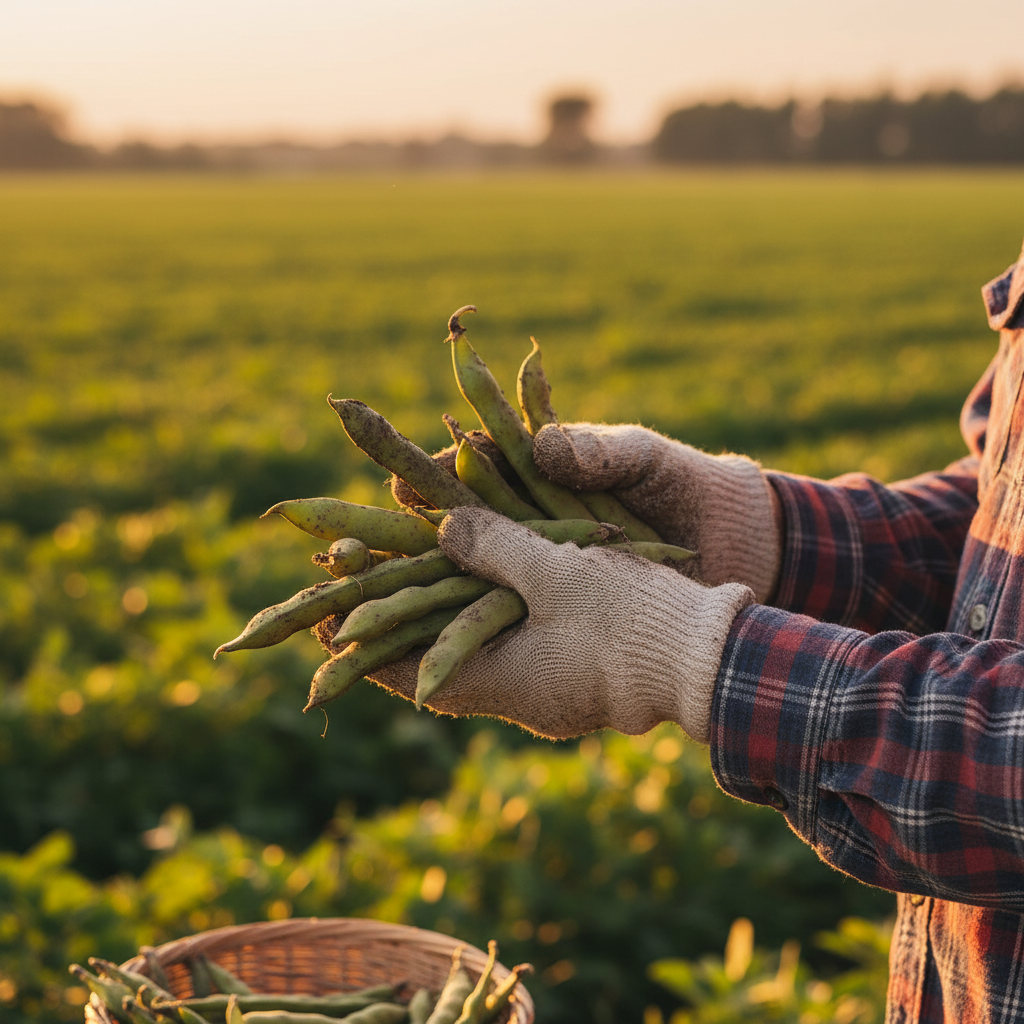
Legumes, such as beans, lentils, and peas, are known for their ability to fix nitrogen in the soil. This natural process reduces the need for synthetic fertilizers, which are often associated with environmental degradation. By enhancing soil fertility, legumes help in maintaining the health of agricultural ecosystems.
Moreover, legumes improve soil structure and prevent erosion. Their deep root systems stabilize the soil and enhance its water retention capabilities. This not only supports crop growth but also helps in water conservation, an essential aspect of sustainable agriculture.
The Economic Impact of Nuts
Nuts, including almonds, walnuts, and peanuts, are high-value crops that can significantly boost the economic resilience of farming communities. They are often cultivated in regions with limited agricultural options, providing farmers with a lucrative alternative to traditional crops.
In addition to their economic benefits, nuts contribute to biodiversity. Many nut trees offer habitats for wildlife, promoting a balanced ecosystem. This biodiversity is crucial for pest control and the overall health of agricultural lands.
Social and Nutritional Benefits
Legumes and nuts are not only environmentally and economically beneficial but also play a vital role in human nutrition. They are rich sources of protein, healthy fats, vitamins, and minerals, making them essential components of a balanced diet. Their cultivation supports food security, particularly in regions prone to food scarcity.
Furthermore, the promotion of legumes and nuts in sustainable agriculture encourages community engagement and knowledge sharing. Farmers are often involved in cooperative efforts to improve cultivation techniques and market access, fostering social cohesion and empowerment.
Challenges and Opportunities
Despite their benefits, integrating legumes and nuts into sustainable agricultural systems poses certain challenges. Issues such as market access, climate change, and resource availability can hinder their potential. However, these challenges also present opportunities for innovation and collaboration among stakeholders.
Policymakers, researchers, and farmers must work together to develop strategies that address these challenges. By investing in research and development, improving infrastructure, and supporting fair trade practices, the full potential of legumes and nuts in sustainable agriculture can be realized.
Conclusion
Incorporating legumes and nuts into agricultural systems offers a pathway to sustainability that aligns with environmental, economic, and social goals. By embracing these crops, we can move towards a more resilient and sustainable future, ensuring that agricultural practices support both people and the planet.